
mirror glass door
Understanding Dial Bore Gauge Instructions A dial bore gauge is an essential tool used by engineers and mechanics to measure the internal dimensions of cylindrical objects, such as engine cylinders, pipes, or various components in machinery. Accurately measuring the diameter and roundness of a bore is fundamental to ensuring the proper fit and function of mating parts. This article will provide an overview of how to effectively use a dial bore gauge, focusing on its purpose, features, and step-by-step instructions. Purpose of Dial Bore Gauges The primary purpose of a dial bore gauge is to measure the internal diameter of a bore with high precision. This tool is crucial in quality control processes, where precise dimensions are necessary for proper assembly and functionality. Using a dial gauge helps identify wear and tear, evaluate the tolerance levels of parts, and ensure proper alignment, which is vital in applications such as automotive engine assembly or manufacturing. Features of a Dial Bore Gauge A dial bore gauge typically consists of several key components 1. Dial Indicator This part reads the measurements and is marked in either increments of thousandths of an inch or millimeters, depending on the gauge's design. The dial indicator displays the exact measurement based on the displacement of the measuring probes. 2. Measuring Probes These are adjustable arms that expand to make contact with the inner wall of the bore. Most gauges come with two or more contact points to measure the diameter accurately. 3. Depth Rod This feature helps determine how deep the gauge can reach within a bore, ensuring measurements taken are at uniform depths . 4. Base or Body This is the main structure of the tool, providing stability and support while taking measurements. Step-by-Step Instructions dial bore gauge instructions To use a dial bore gauge correctly, follow these steps 1. Preparation Before measuring, ensure that the bore is clean and free from debris. Any contamination can lead to inaccurate measurements. Check the dial gauge for calibration to ensure its readings are precise. 2. Setting Up the Gauge Adjust the measuring probes to fit slightly below the bore's approximate diameter. For instance, if measuring a bore with an expected diameter of 1 inch, set the gauge to around 0.995 inches to allow for easy insertion. 3. Insertion Carefully insert the dial bore gauge into the bore while ensuring that the measuring probes are aligned perpendicular to the bore's axis. This alignment is crucial for obtaining accurate readings. 4. Expansion Slowly expand the measuring probes by turning the adjusting mechanism. As you expand the probes, they will make contact with the bore's walls. You can feel the resistance when they press against the surfaces. 5. Reading Measurements Pay attention to the dial indicator when the probes are in contact with the bore walls. The readings can fluctuate; therefore, it’s advisable to take multiple readings at various points within the bore, especially in cases where wear may cause irregular shapes. 6. Interpreting Results After taking readings at multiple points, analyze the data to determine the average diameter and any variances from the standard measurement. This will help you assess if the bore meets the required specifications. 7. Documentation Record your findings meticulously, noting any variations or abnormalities. This documentation is crucial for later review and quality assurance purposes. Conclusion Dial bore gauges are invaluable tools for ensuring precision in measurements within various industrial and mechanical applications. By following the appropriate instructions and understanding how to interpret the results, users can achieve reliable, accurate measurements essential for maintaining quality standards in manufacturing and repair processes. With practice, using a dial bore gauge becomes an intuitive and productive part of anyPrecision measurement routine.
about
mirror glass door
Understanding Globe Valve Threaded Connections Globe valves, a staple in the world of industrial plumbing and fluid control systems, are known for their precision flow regulation capabilities. A key aspect of these valves is their threaded connections, which play a pivotal role in their installation, functionality, and maintenance. A globe valve, named after its spherical body design, is primarily used for on/off control or throttling applications. It consists of a disk-like closure member that moves linearly along an axis perpendicular to the flow path, hence the 'globe' moniker. The valve's design allows for precise control over fluid flow by adjusting the position of the disc within the valve body. Threaded connections in globe valves refer to the screw-like threads cut into the ends of the valve body, enabling it to be screwed into a mating thread in a pipeline. These threads can be either male or female, with the former protruding outwards and the latter recessed inside. The most common thread types used in globe valves are NPT (National Pipe Taper), BSP (British Standard Pipe), and metric threads, each designed to ensure a tight seal when assembled. The threading in globe valves offers several advantages. Firstly, they allow for easy installation and removal, making maintenance and repair tasks more convenient. Secondly, threaded connections provide a secure seal without the need for additional sealing materials, reducing the risk of leaks. However, it's crucial to ensure proper tightening to avoid damage to the threads or leaks due to over-tightening However, it's crucial to ensure proper tightening to avoid damage to the threads or leaks due to over-tightening However, it's crucial to ensure proper tightening to avoid damage to the threads or leaks due to over-tightening However, it's crucial to ensure proper tightening to avoid damage to the threads or leaks due to over-tightening globe valve threaded . Threaded globe valves are widely used in low-pressure applications where quick installation and dismantling are required. They are commonly found in water supply systems, heating systems, and chemical processing plants, among others. The threaded connection also allows for flexibility in positioning the valve along the pipeline, offering versatility in system design. Despite their benefits, threaded globe valves have limitations too. They may not be suitable for high-pressure or large diameter pipelines due to the potential stress on the threads. Also, they require careful handling during installation to prevent cross-threading, which could damage the threads and compromise the integrity of the connection. In conclusion, the threaded connection in globe valves is a practical and efficient solution for many fluid control applications. It combines ease of installation, reliable sealing, and adaptability, making it a popular choice in various industries. However, understanding the specific requirements and limitations of each application is crucial to ensure the optimal use and longevity of these valves.
-

High quality industrial productsagement

High quality industrial products
View Details -

Meet the diverse needs of customers

Meet the diverse needs of customers
View Details -

Strict quality control

Strict quality control
View Details -

Top raw materials

Top raw materials
View Details -

Trusted supplier

Trusted supplier
View Details
Our application
news and information

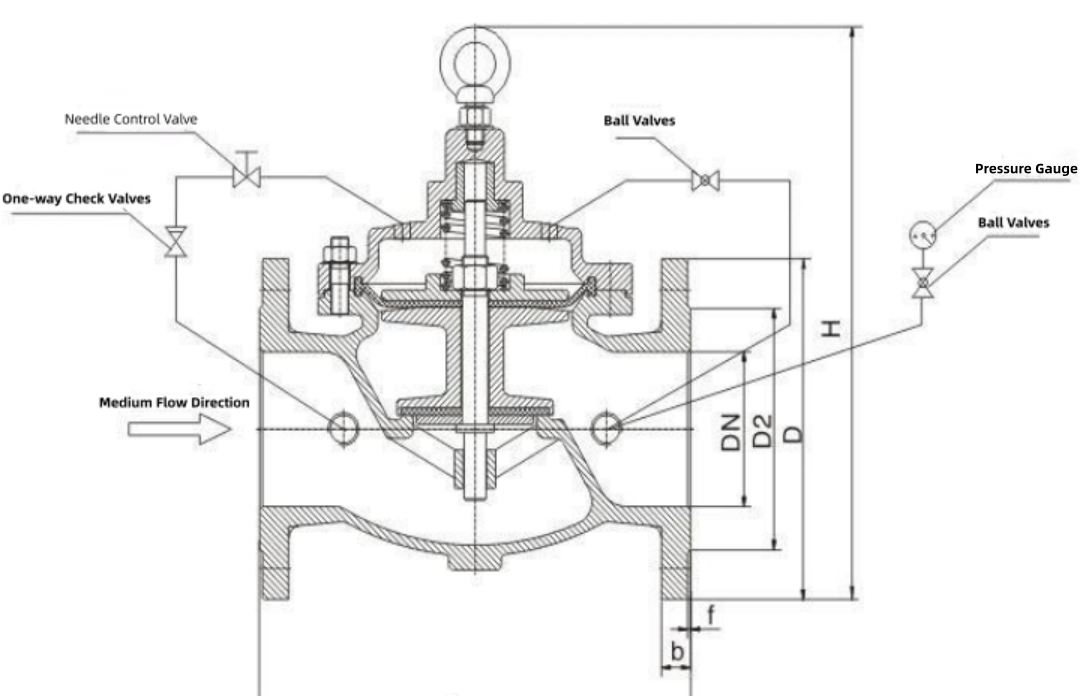
Various Types and Applications of Knife Gate Valves in Industrial Solutions
Types of Knife Gate Valves A Comprehensive Overview Knife gate valves are essential components in va
water valve
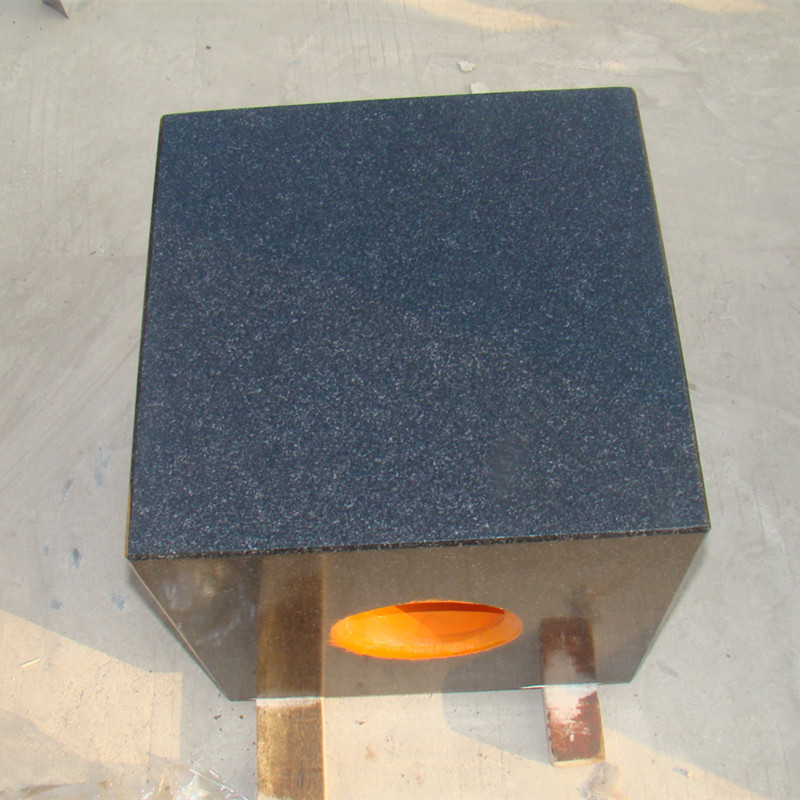
Understanding Water Valves A Key Component in Fluid Control Systems Water valves are crucial compone
Versatile Clamping Kit for Welding Table Setup and Home Projects
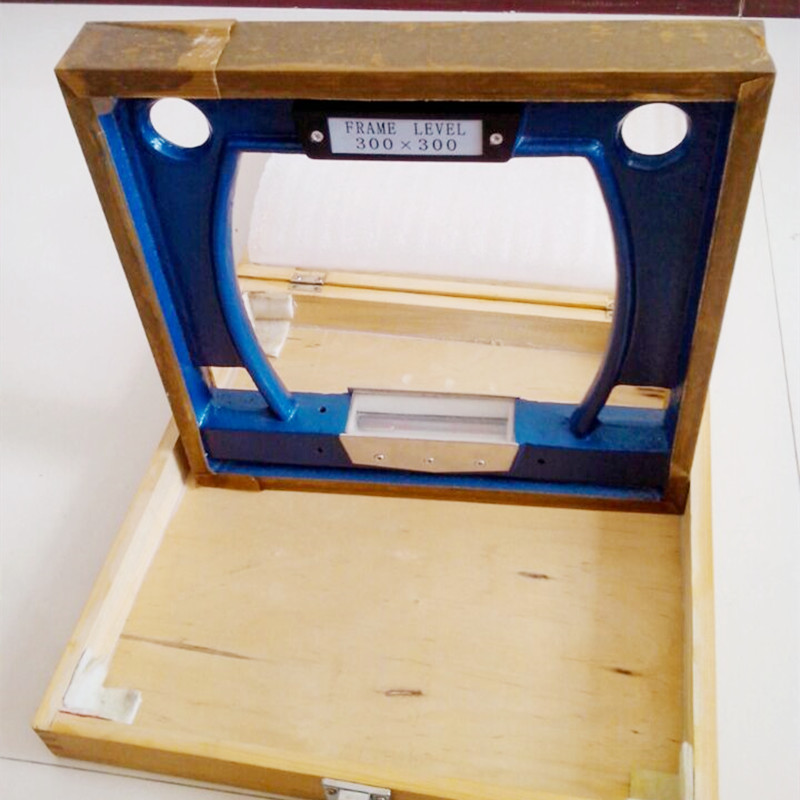
The Importance of a Welding Table Clamp Kit Welding is a skill that requires precision, control, and
 English